

Readdy.

Website planning

Plan a Site with the readdy ai website builder

If you're exploring the readdy ai website builder, start with the job your site needs to do. A useful brief names your audience, essential pages, and the action visitors should take; it gives you something concrete to evaluate instead of judging a design on appearance alone.

Free to start · no signup
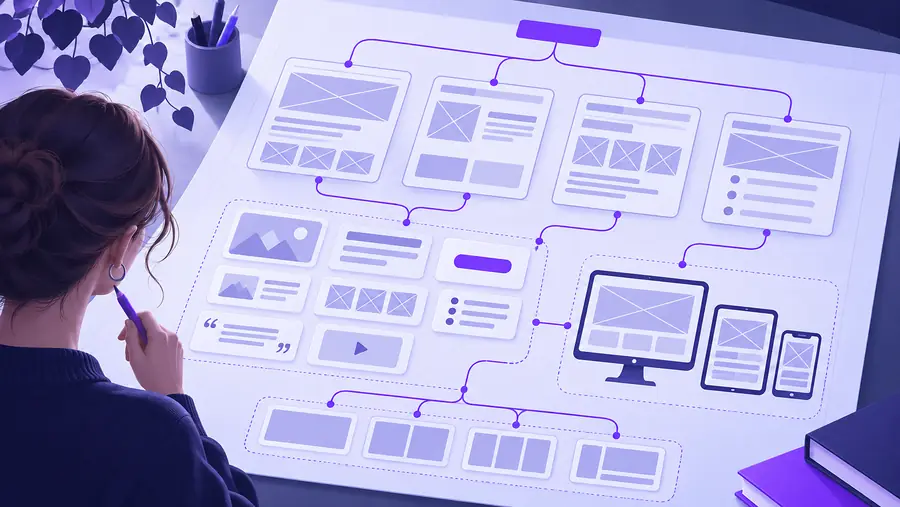
Readdy site imagery shown alongside the website planning guide

This entry point vs the general one

The general Readdy overview helps you understand the name. This website builder entry point narrows the task to a site brief: what to include, how visitors move through it, and what you must verify before launch.

Three things this approach does differently

Treat the readdy ai website builder query as a request for a usable site plan, not just a definition of Readdy. These three decisions make your brief easier to assess.

  1. 1

    Name the visitor's task

    Write one sentence describing who the website serves and what that person came to do. A bakery customer might need to find today's menu and ask about pickup; an agency prospect might need examples and a contact route.

  2. 2

    Map pages to that task

    List the pages and the purpose of each one before choosing visual details. Separate essential content from optional additions so the website builder brief stays focused on navigation, information, and the main call to action.

  3. 3

    Set a review standard

    Decide what you will inspect: mobile readability, accurate business details, working forms, accessible labels, and a clear path to contact. These are checks for any proposed site, not a claim that Readdy performs them automatically.

How to start

Begin with a short brief, then compare any proposed layout against the pages and visitor journey you specified. Refine the wording before treating a polished visual as a finished website.

Illustration of a website build interface used as a planning reference Build reference
Editorial illustration for the Readdy website builder guide Site-plan reference
These images illustrate two ways to think about the task; they are not a verified before-and-after result from Readdy.

Limits to check before you publish

A website builder starting point cannot replace checking your own content, requirements, and publishing setup. The important limit depends on the kind of site you are making.

Small business owner

You need service details, opening hours, and a reliable contact route. A convincing draft is not evidence that every address, link, or inquiry form works.

Verify the facts and test the visitor path yourself. For a broader explanation of the product name, see the linked guide.

what does readdy ai do

Portfolio creator

You want projects to look consistent, but a template-like layout can hide weak descriptions or unclear ownership of images.

Review each project caption and asset before publishing. The linked templates guide helps frame the choice of a starting layout.

readdy ai templates

Technical collaborator

You may need source control, integrations, or a particular deployment process. Do not infer those capabilities from a website builder search result.

Confirm the current product workflow and your team's requirements first. The linked tutorial guide covers the separate code-oriented question.

readdy tutorial github

Turn your brief into a next step

Start with the site you actually need

Bring your audience, page list, and main visitor action to the next step. Keep the brief specific enough to review, and confirm any editing, publishing, or integration requirements in the current product before relying on them.

Explore site building
  • Describe the visitor and their goal
  • List the essential pages
  • Check the result against your requirements

Website builder FAQ

Name your audience, the site's purpose, its essential pages, and the action you want a visitor to take. Add factual details such as services and hours only when you can check them against an authoritative source.

You can use one to organize what the site needs to communicate. Before publishing, check business details, mobile usability, links, forms, and any legal or accessibility requirements that apply to you.

No. A plan and a live site are different stages, and this guide does not establish which publishing options are available through the current product. Verify the available workflow and any domain requirements before you commit to a launch date.

A website builder brief starts with what visitors need to accomplish, while a template search starts with a possible layout. Either can help you begin, but you should judge the result by its content and usability rather than its visual style alone.

Start creating
Start creating